
Current certification · Zebrafish model
Melanin signal inhibition
The tested sample significantly inhibited melanin signal intensity in the zebrafish head under the experimental conditions.
LYCOTIQUE® / RESEARCH
Understand phytoene, phytofluene, total natural tomato carotenoid content and the analytical information needed for ingredient qualification.
PRODUCT EFFICACY CERTIFICATES
English certificates issued by Hunter Biotech for Lycotique® Concentrated White Tomato Powder.
The tested sample significantly inhibited melanin signal intensity in the zebrafish head under the experimental conditions.
The tested sample significantly reduced ROS fluorescence in zebrafish under the experimental conditions, described in the certificate as an anti-photoaging effect in that model.
These certificates concern the submitted concentrated white tomato powder sample and zebrafish experiments. They do not establish human clinical efficacy or applicability to every Lycotique grade. Request the supporting report and confirm the scope for your selected product.
Request certificate & report ↗INGREDIENT COMPOSITION
Lycotique® is HETCHYN’s white tomato ingredient brand. The range contains natural tomato carotenoids, including phytoene and phytofluene, and is offered in three formats for different formulation systems.
For ingredient qualification, distinguish the botanical source, detectable constituents and total carotenoid specification. Each describes a different part of the product profile.
Compare the ingredient formats →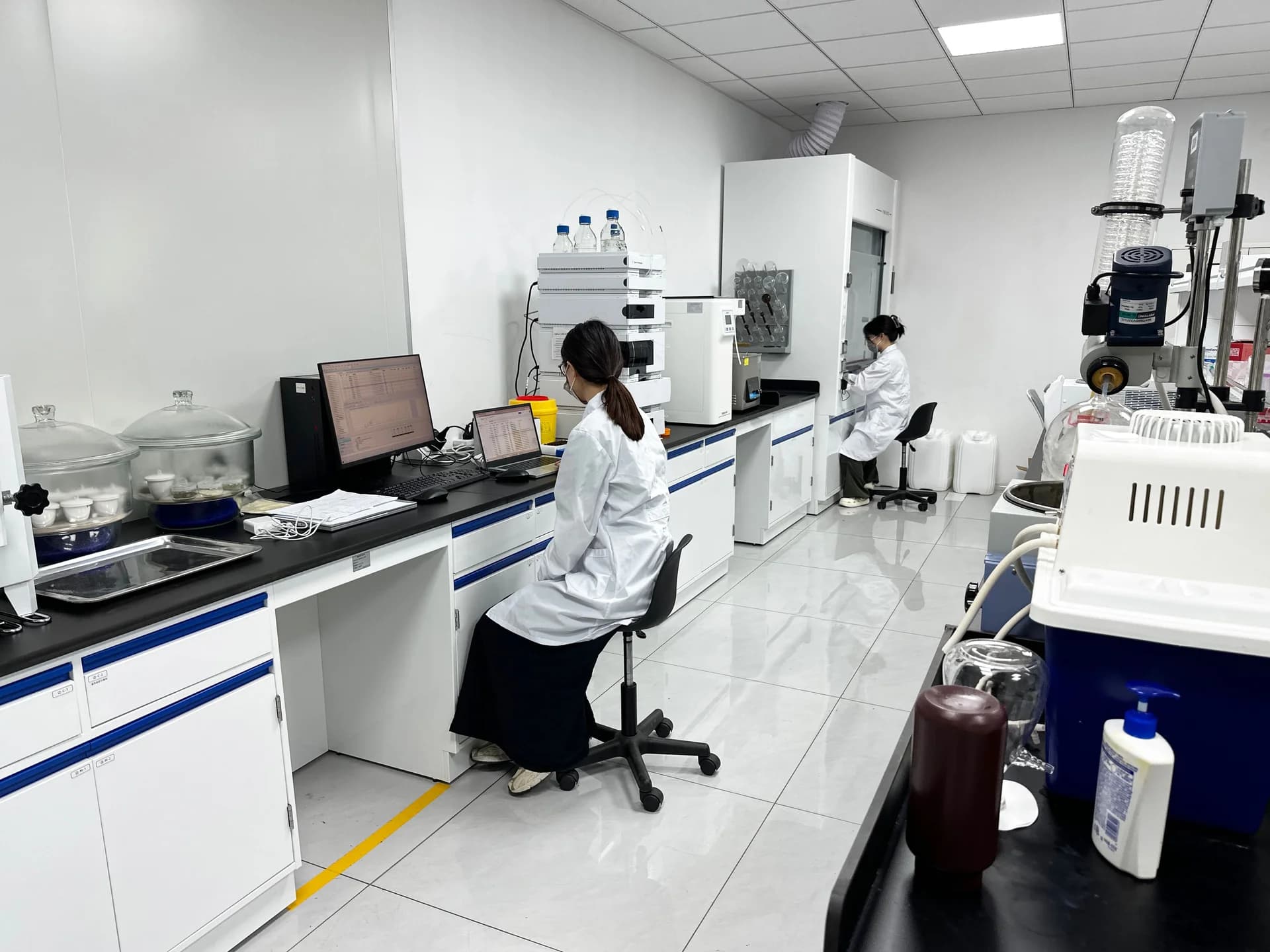
READING THE TERMINOLOGY
ANALYTICAL REVIEW
01
Start with the product code, ingredient format and production route. Specifications and carrier systems are reviewed for that exact grade.
02
Request the analytical information for phytoene and phytofluene in white tomato powder. Check how the constituents are identified and how results are reported.
03
Review the current specification and the selected batch COA together. A batch result describes the stated batch; it is not a substitute for the release specification.
Finished-product performance and market-specific claims require a review of the actual formulation and supporting evidence.
Request analytical information ↗YOUR NEXT FORMULA